How Much Is a Mammoth Tusk Worth? A Buyer's Guide
Serious buyers considering a significant investment decision — a whole mammoth tusk intended as a centrepiece for a home, office or collection — understandably want to understand what drives its value before they commit. This guide sets out, as clearly and logically as we can, the factors that experienced dealers, collectors and auction specialists actually weigh when assessing a tusk.
What This Guide Covers
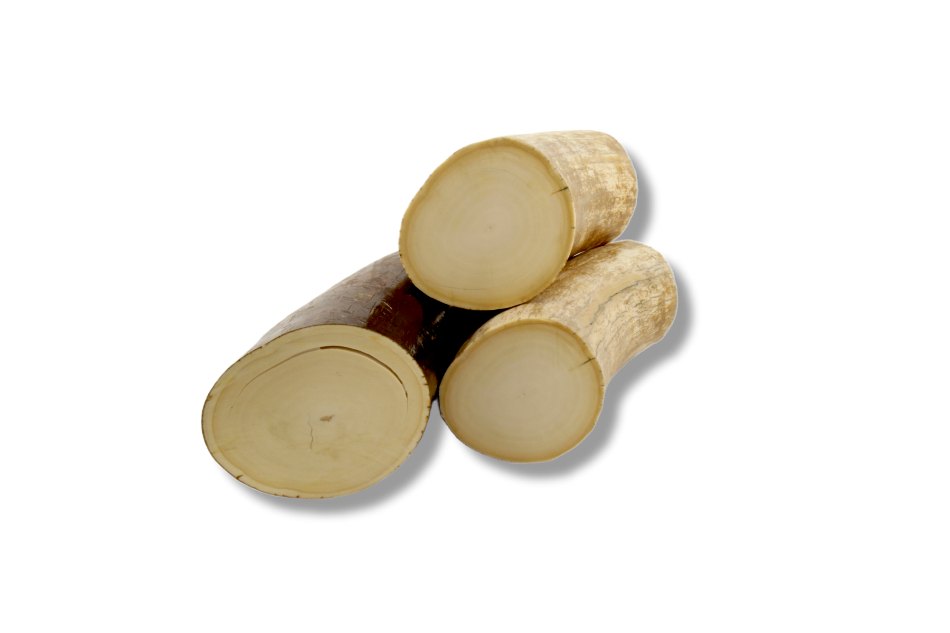
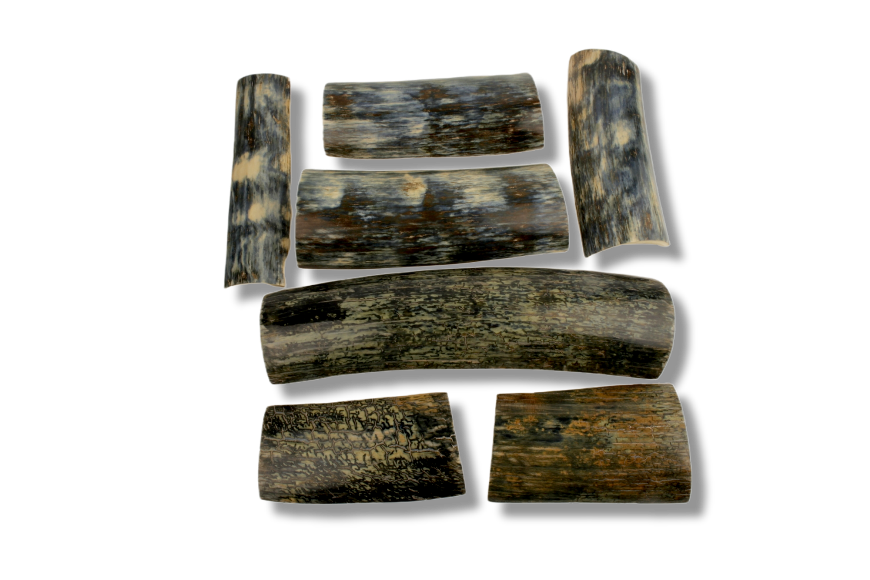
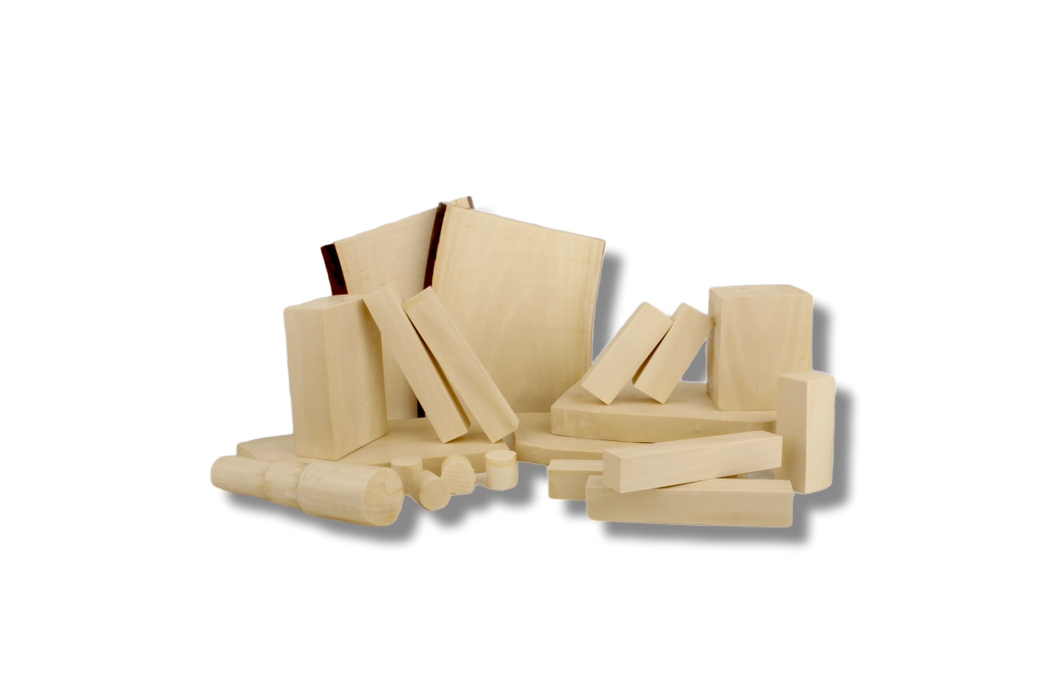
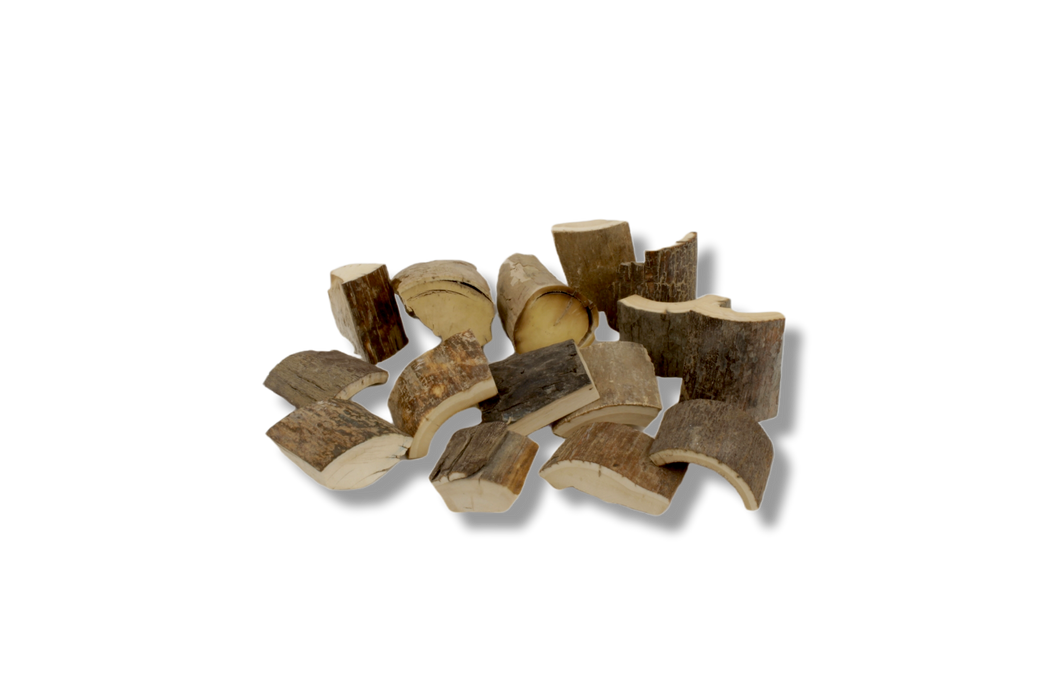
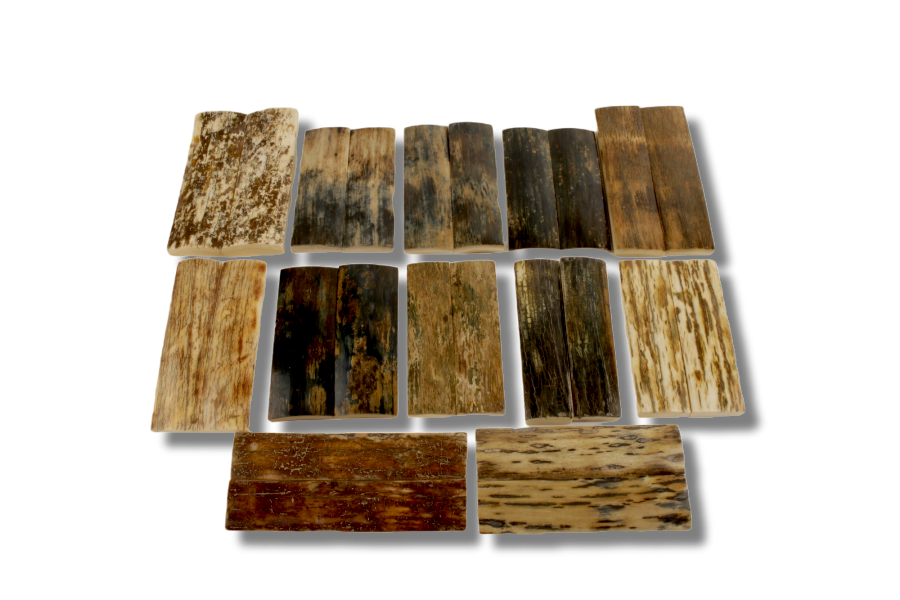
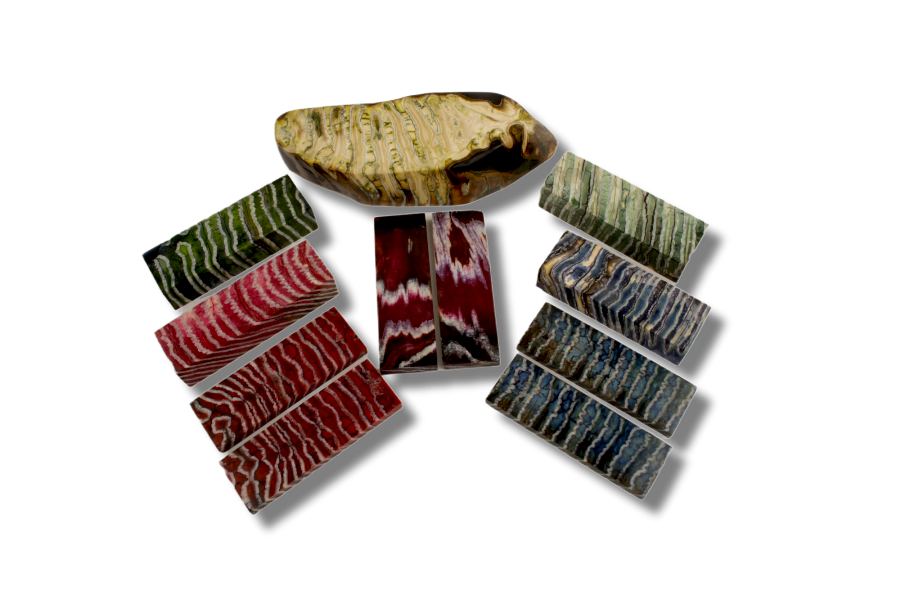
This guide concerns only whole, intact, natural mammoth tusks. It does not apply to restored mammoth tusks, segments, pieces, mammoth molars or bark — each of these follows a different logic that this article does not attempt to cover.
It also does not apply to carved mammoth tusks or carved mammoth ivory pieces. Carved works are properly assessed as objects of art or craftsmanship, where the identity of the carver, the piece's history, and its authenticity matter as much as the raw material itself. For a carved tusk, we recommend seeking a professional evaluation from a specialist auction house, which may be familiar with the carver, the piece's provenance, or comparable works that have previously come to market.
Our View on Cutting and Carving Whole Tusks
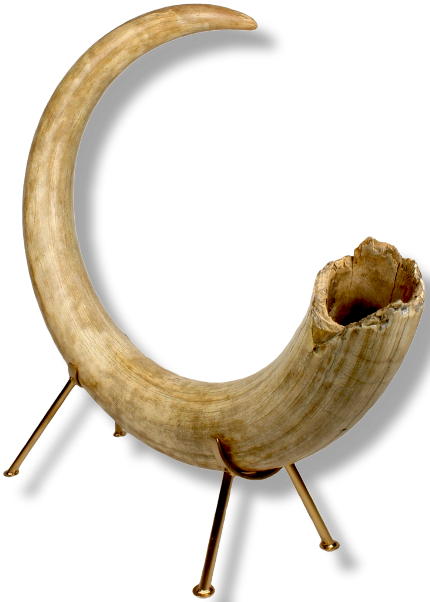
We would like to be transparent about our principled position on this. We do not like to see a whole, intact mammoth tusk cut into pieces or carved. In our view, a tusk is at its most beautiful left exactly as it emerged from the permafrost — its natural curve, surface and colouration undisturbed. Part of our mission is to help preserve these remarkable natural specimens in their original form, so that future generations can encounter them exactly as we do today, rather than only in cut fragments or carved pieces.
This Guide Is Not a Valuation Service
Arctic Antiques does not provide formal valuation, appraisal or authentication services for tusks, pieces, carved artefacts or any other material. What follows is intended purely as an educational guide to help you understand the factors involved. For a formal appraisal — for insurance, resale or any other purpose — please consult a qualified independent appraiser or a specialist auction house.
Why Restored Tusks Cannot Be Assessed Here
We are often asked why this guide does not extend to restored tusks. The honest answer is that it is almost impossible to construct a meaningful guide for restored material, because there is generally no way to know the tusk's original condition before restoration began, nor how much restoration work — filling, stabilisation, reassembly — went into any particular piece. Two restored tusks that look similar on the surface may differ enormously in how much of what you see is original ivory and how much is added artificial material. For more on this distinction, see our guide to natural versus restored mammoth tusks.
No Universal Grading System Exists
It is worth stating plainly: there is no single, internationally accepted grading system for whole mammoth tusks, comparable to the standards that exist for materials such as diamonds, timber or cotton. What exists instead is a considerable body of informal knowledge, dealer experience and subjective opinion — much of it partly useful, none of it conclusive nor universally accepted. This is what makes valuing a mammoth tusk a complex undertaking, and precisely why a logical framework, rather than a fixed formula, is the best way to approach it.
Why Origin Matters: Recovery Context and Preservation
Not all mammoth tusks entering the market come from the same circumstances, and origin has a significant bearing on both condition and value.
Siberian mammoth tusks — the only mammoth ivory we work with — typically emerge as ancient permafrost erodes along riverbanks and coastlines, largely undisturbed until the moment they are exposed and recovered. This recovery process, while demanding, tends to preserve the tusk's structure far better than the alternatives.
Tusks recovered in Alaska and the Yukon, by contrast, are very often uncovered as a byproduct of placer gold mining. Heavy excavation equipment can strike, drag or fracture a buried tusk incidentally during the mining process, long before anyone realises it is there. The result is that a considerable proportion of North American material reaches the market already heavily fragmented or incomplete, and recovered tusks are frequently held together in the field with metal clamps simply to keep the pieces intact until proper stabilisation can take place.
Tusks recovered from the seabed of the North Sea sit at the lowest tier of quality and value. This material surfaces as an incidental byproduct of commercial trawling — dredged up in fishing nets along with the daily catch, most notably from shipping channels such as the Eurogeul near Rotterdam, a route that must be kept clear by continual dredging. Millennia of submersion in cold, waterlogged, saline sediment, followed by the mechanical impact of trawling gear, leave this material in a fundamentally different condition: North Sea tusks are typically found completely fragmented and saturated with pulp, and pieces subsequently offered for sale are usually so heavily impregnated with glue, epoxy or stabilising resin that it becomes genuinely difficult to say how much of what remains is original ivory at all.
Because of this recovery context, and because so much North American and North Sea mammoth ivory requires extensive restoration before it can be sold, well-preserved natural Siberian tusks — most of which are recovered whole — sit in a different category of quality entirely. There is, quite simply, no comparison between the two.
What Determines a Tusk's Value
No single factor determines the value of a mammoth tusk on its own. Value emerges from the interplay of several variables.
Size and Weight
As a general rule, longer tusks are exponentially rarer than shorter ones, thicker tusks are considerably more valuable than thin ones, and heavier tusks contain substantially more ivory. However, this relationship is not linear. A 50 kg tusk is not simply worth twice as much as a 25 kg tusk, because exceptionally large mammoths were themselves far rarer than average-sized individuals, and the survival of a very large tusk in good condition through tens of thousands of years is uncommon. Rarity compounds rather than adds.
Matched pairs — two mammoth tusks recovered from the same animal — command a substantial premium over individual tusks of comparable size and quality, simply because finding both tusks from one animal, in comparable condition, is exceptionally rare.
Condition and Preservation
Two distinct aspects of condition matter here. On the surface, buyers should consider whether the outer bark is intact, and the extent of any weathering, erosion or cracking. Internally, the relevant considerations are the degree of mineral replacement that has taken place, the overall structural stability of the piece, and whether the material shows any softness or powdering — both signs of a tusk that has not preserved well.
Structural Integrity
A tusk with large, uninterrupted sections is far more valuable than one with major fractures, missing sections, crushed areas, or extensive restoration — the last of which is itself a signal that the tusk's original condition was not good to begin with.
Diameter and Curvature
Beyond overall size, diameter matters in its own right: a thicker tusk, proportionally, is generally more desirable than a thinner one of similar length. Curvature also plays a role — a dramatic, graceful sweep is more visually striking than a straighter or less defined curve, which affects both aesthetic appeal and practical considerations for display.
Colouration
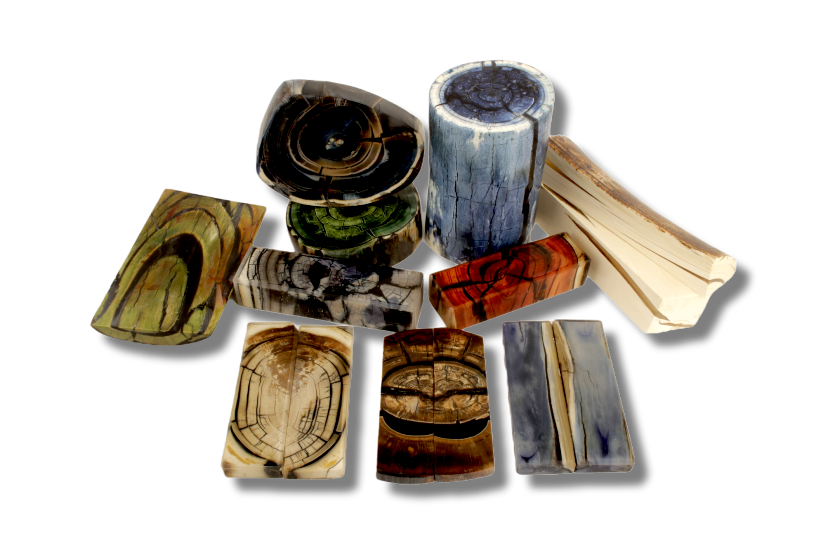
Millennia in the Siberian permafrost produce a wide range of natural colouration, and certain colour palettes are considerably rarer and more sought-after than others. Blue and green tones — caused by vivianite, a mineral that forms naturally as iron migrates into the ivory over thousands of years — are among the rarest and most prized.
Documentation and Provenance
Legal certainty, verified geographic origin, and adequate paperwork add real, tangible value to a mammoth tusk. A piece accompanied by professional documentation — such as the Certificate of Origin that accompanies every one of our large mammoth tusks — carries a legitimacy that buyers, insurers and future purchasers alike are increasingly likely to expect at this level of the market. For more detail on what this documentation involves, see our guide to the business of ethical mammoth ivory.
The Bottom Line
No single factor on its own determines what a mammoth tusk is worth. Size, condition, structural integrity, diameter, curvature, colouration, origin and documentation all interact, and a truly exceptional tusk is one that performs well across several of these dimensions at once, rather than excelling in just one. We hope this guide gives you a useful framework for approaching that assessment with confidence.
This is exactly the framework we apply ourselves. Every single tusk we offer is evaluated individually against these variables, never assessed by a fixed formula or at a glance. We personally inspect each piece ourselves, one at a time, because maintaining the highest possible quality standards throughout our selection is paramount to our mission.
You can view our current selection of whole mammoth tusks here.
If you have any further questions, please email us: info@arcticantiques.com
Bibliography
- Mol, D. (2017). "An Exceptional Mammoth Discovery from the North Sea." Deposits Magazine. [North Sea recovery as fishing bycatch; frequency of tusk fragmentation even where other remains are complete]
- Mol, D. (2021). "Fossil bones from the North Sea: An easy way to collect fossil remains from the Ice Age?" Deposits Magazine. [Mechanism of North Sea bycatch recovery; dredged shipping channels]
- Wang, X., et al. (2021). "Vivianite and Its Oxidation Products in Mammoth Ivory and Their Implications to the Burial Process." ACS Omega, 6(35). [Vivianite as the cause of rare blue/green colouration]
- Lister, A., & Bahn, P. (2007). Mammoths: Giants of the Ice Age. London: Frances Lincoln. [Permafrost preservation; general natural history of recovery regions]
- Canadian Conservation Institute. Conservation of Wet Faunal Remains: Bone, Antler and Ivory (CCI Notes 4/3). [Structural stability, mineral replacement and moisture-related degradation in buried ivory]
- National Snow and Ice Data Center (NSIDC). "Frozen Ground & Permafrost." [Permafrost definition and formation]