Fossil Woolly Mammoth Tusks: The Pinnacle of Luxury Art Objects in Interior Design
In the world of luxury interior design, the most memorable spaces are built around objects that cannot be bought twice. The pursuit of uniqueness and historical depth leads discerning clientele to extraordinary treasures. Among the most remarkable of these are woolly mammoth tusks (Mammuthus primigenius). Preserved for millennia in Siberian permafrost, these genuine relics are celebrated for their prehistoric significance and as stunning natural art objects that transform any interior into a realm of timeless elegance.
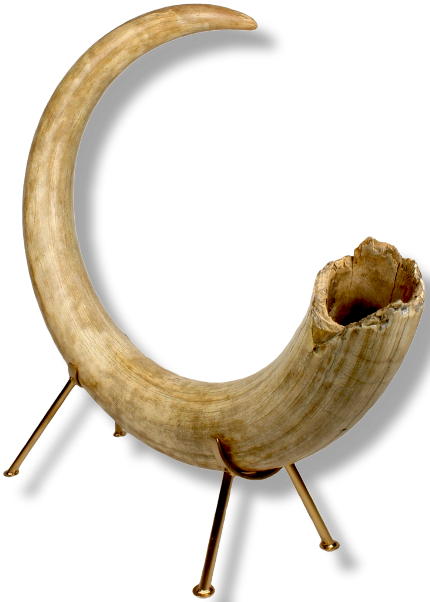
Woolly mammoth tusks buried and preserved in the permafrost have become natural time capsules, offering a direct link to our planet’s ancient past. With their distinctive curvature and rich patina, these tusks are not merely remnants of history but revered as unique natural artworks. For designers, collectors and owners of exceptional homes, yachts and exclusive private spaces, it is one of the ultimate statement pieces.
This article looks at the design thinking behind using mammoth tusks and large fossil pieces in interiors. For the practical side of mounting and caring for a tusk once you own it, see our dedicated guide, How to Display a Fossil Mammoth Tusk.
An Exclusive Art Object
Great interiors need a focal point with depth. A mammoth tusk brings three things at once: form, in its long, powerful curve; age, as an authentic fossil from the Ice Age; and rarity, since no two are alike.
Displayed in their natural state, mammoth tusks are exclusive art objects that exude prestige and sophistication. Each tusk is a one-of-a-kind masterpiece, with unique patterns and colours resulting from centuries of mineral absorption. The awe-inspiring natural beauty and rarity of these tusks make them highly sought after by art collectors and interior designers who aim to create luxurious and meaningful spaces.
Placed on a console, a plinth or a bespoke mount, it draws the eye and starts a conversation in a way that a purely decorative object never can. It sits equally well in a pared-back contemporary space, where its organic curve softens hard lines, and in a rich, layered interior, where it adds gravitas.
The Aesthetic Impact of Mammoth Tusks on Interiors
Incorporating a mammoth tusk as a natural art object in a luxury interior creates an unparalleled visual and emotional impact. These majestic relics serve as focal points that draw the eye and spark conversation, embodying a fusion of natural history and artistic elegance.
1. Grand Entrances
Placing a woolly mammoth tusk in an entryway sets a tone of grandeur and sophistication from the moment one enters the space. The imposing presence of the tusk commands attention and conveys a sense of timeless luxury.
2. Living Room Centerpieces
In a living room, a mammoth tusk can be displayed on a custom pedestal or integrated into a modern glass case, allowing it to be admired from all angles. This creates a centrepiece that anchors the room and adds depth and character to the overall design.
3. Private Collections and Studies
For bespoke collectors and connoisseurs, a dedicated space such as a study, office or private gallery is ideal for showcasing a mammoth tusk. The intimate atmosphere enhances the appreciation of the tusk’s historical significance and natural beauty.
Choosing the right piece for a space
A few considerations help match a mammoth tusk to its setting:
- Scale and curve: Large, dramatically curved tusks command open, double-height or wide spaces; smaller tusks and collector's pieces suit exclusive shelving, vitrines and desks.
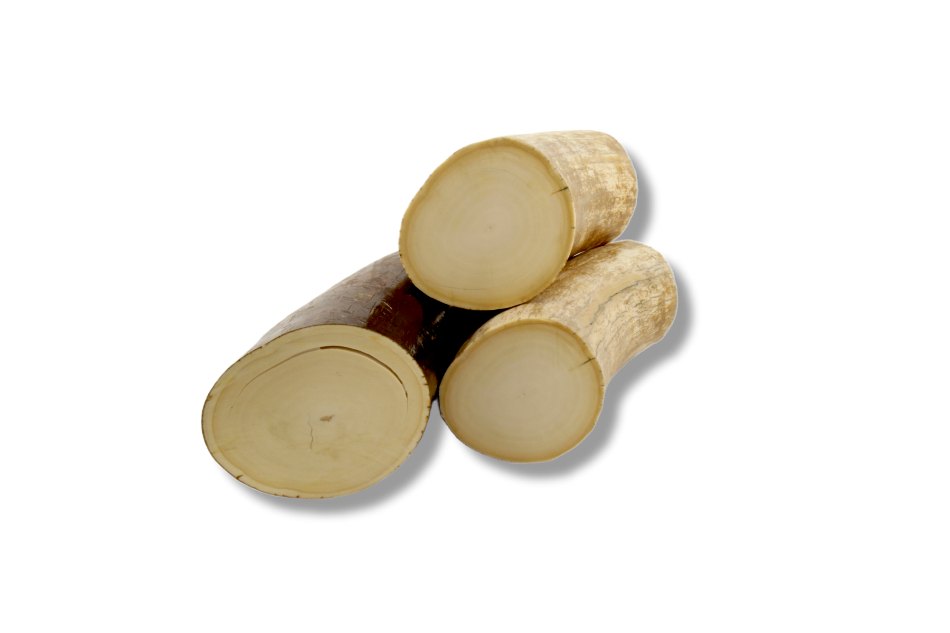
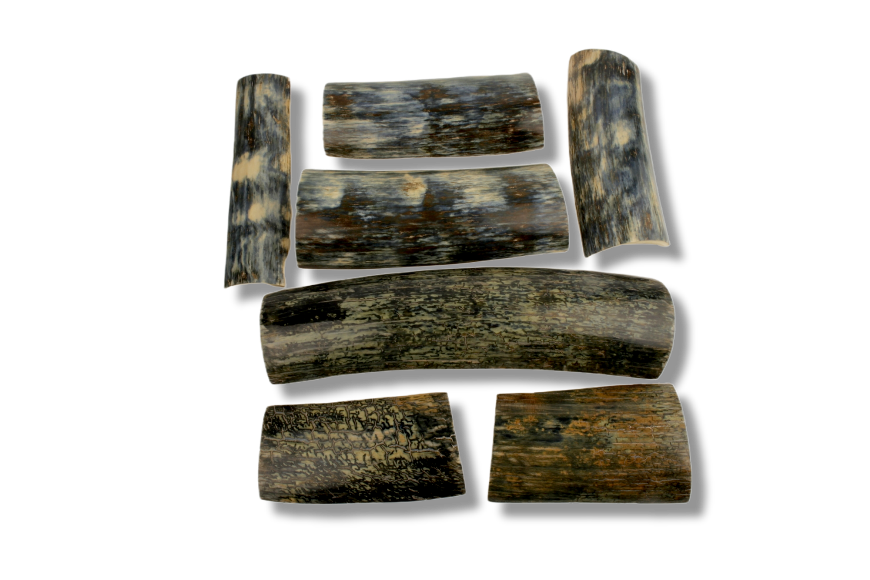
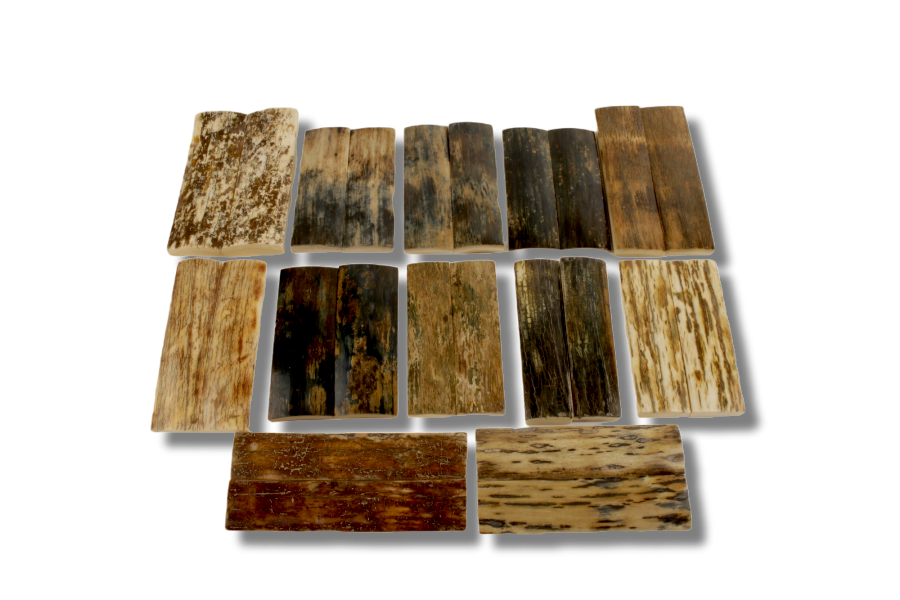
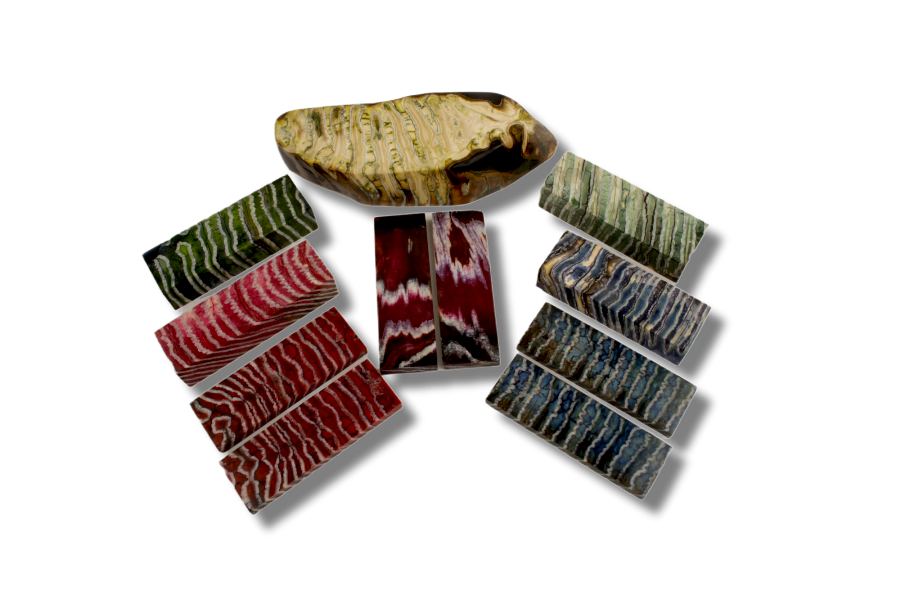
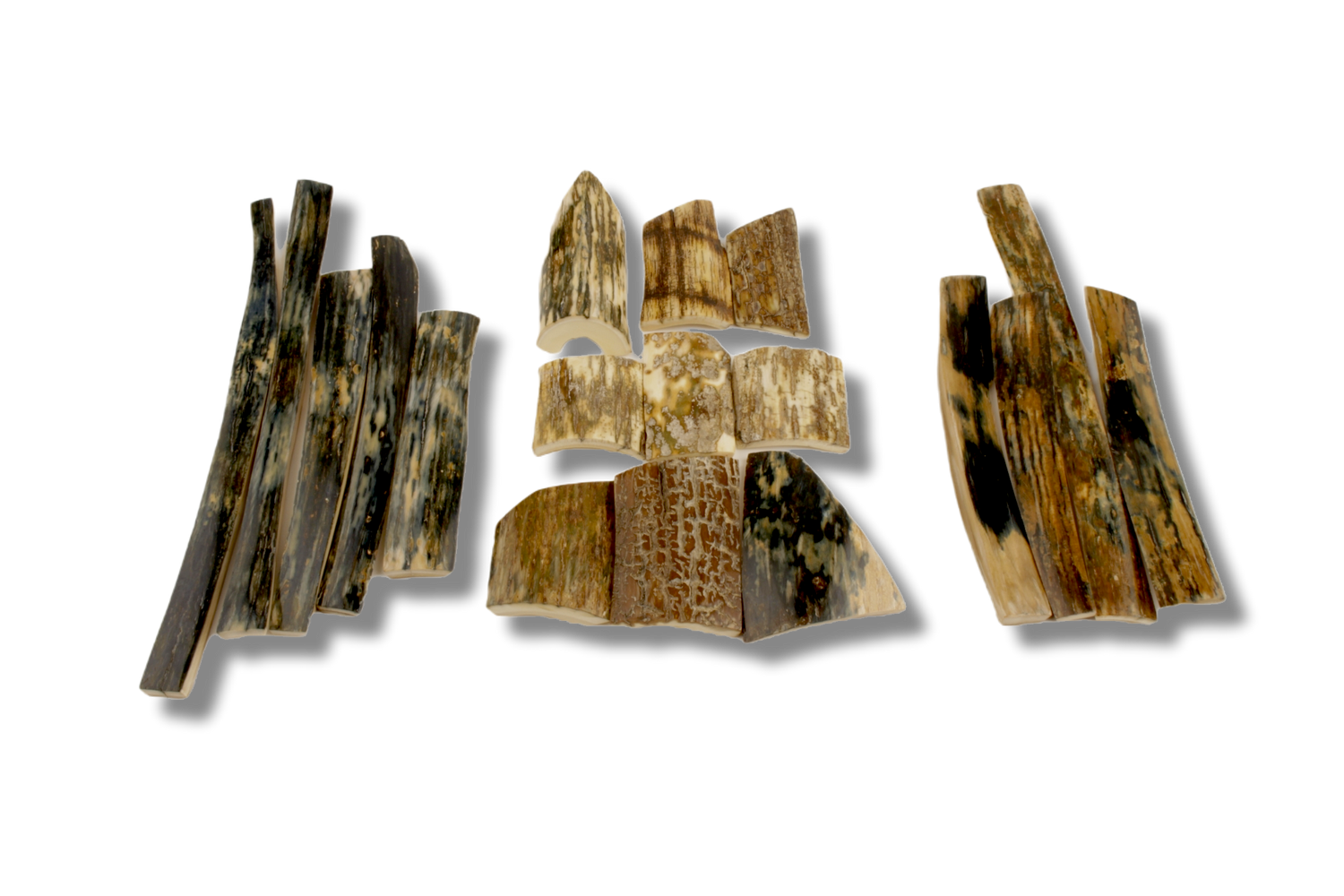
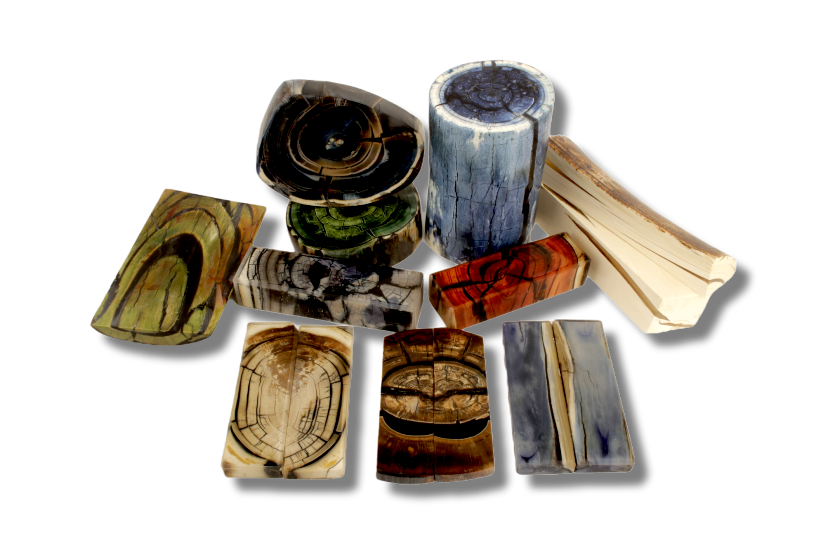
- Colour and patina: Millennia in the ground produce colours from creamy white through tan and bronze to the rare, coveted blue caused by vivianite. The patina can be chosen to complement a room's palette — cool blues and greens for contemporary schemes, warm tans and creams for classic interiors.
- Natural vs. restored: Some clients want a completely natural, untouched mammoth tusk; others prefer a sympathetically restored piece with a smoother line. Neither is "better" — it depends on the look and the setting.
- Provenance: For a signature piece, documented origin adds both legitimacy and narrative value.
Explore currently available pieces in our curated mammoth tusks and collector's pieces collections.
Ethical and Sustainable Luxury
The use of woolly mammoth tusks as natural art objects is not just a display of luxury, but also a testament to ethical and sustainable principles. Unlike elephant ivory, associated with illegal trade and poaching, mammoth tusks are sourced from long-extinct species, making their use a sustainable option that does not harm current wildlife populations. This ethical aspect adds another layer of value to these remarkable art objects, making their display a responsible and ethical choice.
The Investment in Timeless Art
Acquiring a mammoth tusk is an investment in luxury, aesthetics, history, and culture. Our carefully curated collection of mammoth tusks is a tangible connection to the Earth’s past, making each tusk valuable for its beauty and historical significance. As such, our tusks are prized possessions that appreciate over time, both in monetary value and in their ability to captivate and inspire the future generations.
Conclusion
The incorporation of mammoth tusks into luxury interiors represents the zenith of refined taste and sophisticated design. With their majestic presence and deep historical roots, these extraordinary objects elevate any space into a sanctuary of timeless elegance and intellectual allure. By choosing to display a woolly mammoth tusk, one not only honours the magnificence of these ancient creatures but also embraces a form of luxury that is ethical, sustainable, and profoundly meaningful.
In luxury interiors, where every element is chosen for its ability to enhance and enrich, a woolly mammoth tusk stands as an unrivalled testament to the beauty of the natural world and the enduring allure of history. For those seeking to create truly exceptional spaces, our ancient tusks offer an unparalleled opportunity to blend the past with the present, crafting interiors as unique as they are exquisite.
If you need any help or advice, please email us: info@arcticantiques.com
Bibliography
- Wang, X., et al. (2021). "Vivianite and Its Oxidation Products in Mammoth Ivory and Their Implications to the Burial Process." ACS Omega, 6(35). [Origin of natural blue/green patina]
- Dehasque, M., et al. (2024). "Temporal dynamics of woolly mammoth genome erosion prior to extinction." Cell, 187(14). [Age and antiquity of mammoth material]
- Canadian Conservation Institute. Care of Ivory, Bone, Horn and Antler (CCI Notes 6/1). [Environmental conditions for displaying ivory objects — see our display guide]
- Smithsonian Museum Conservation Institute. "Care and Handling of Ivory Objects." [Display and light considerations]