Unveiling the Allure of Mammoth Ivory in Jewellery: A Unique Blend of History & Elegance
In fine jewellery, where creativity knows no bounds, one material has made a quiet but profound resurgence: fossil mammoth ivory (Mammuthus primigenius). This unique material, extracted from the tusks of long-extinct woolly mammoths, offers a rare combination of history, ethics and understated beauty — qualities that appeal to jewellers, goldsmiths and the people who wear their work.
A material with a story
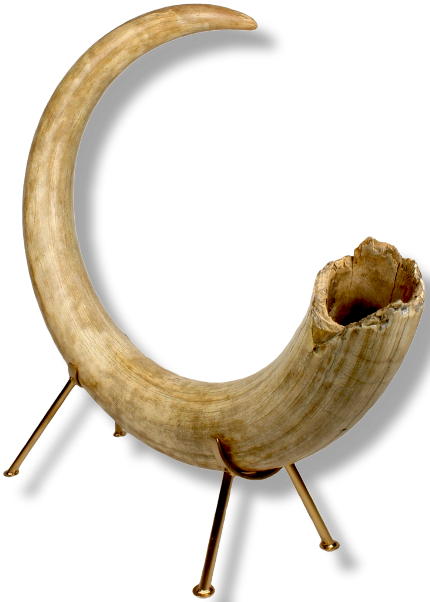
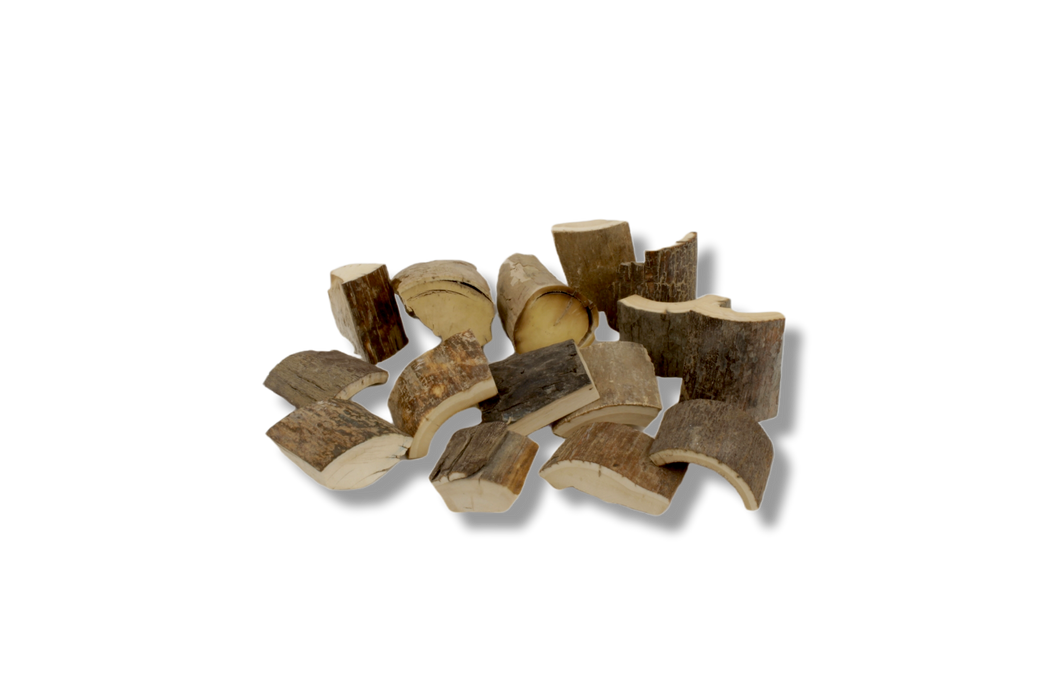
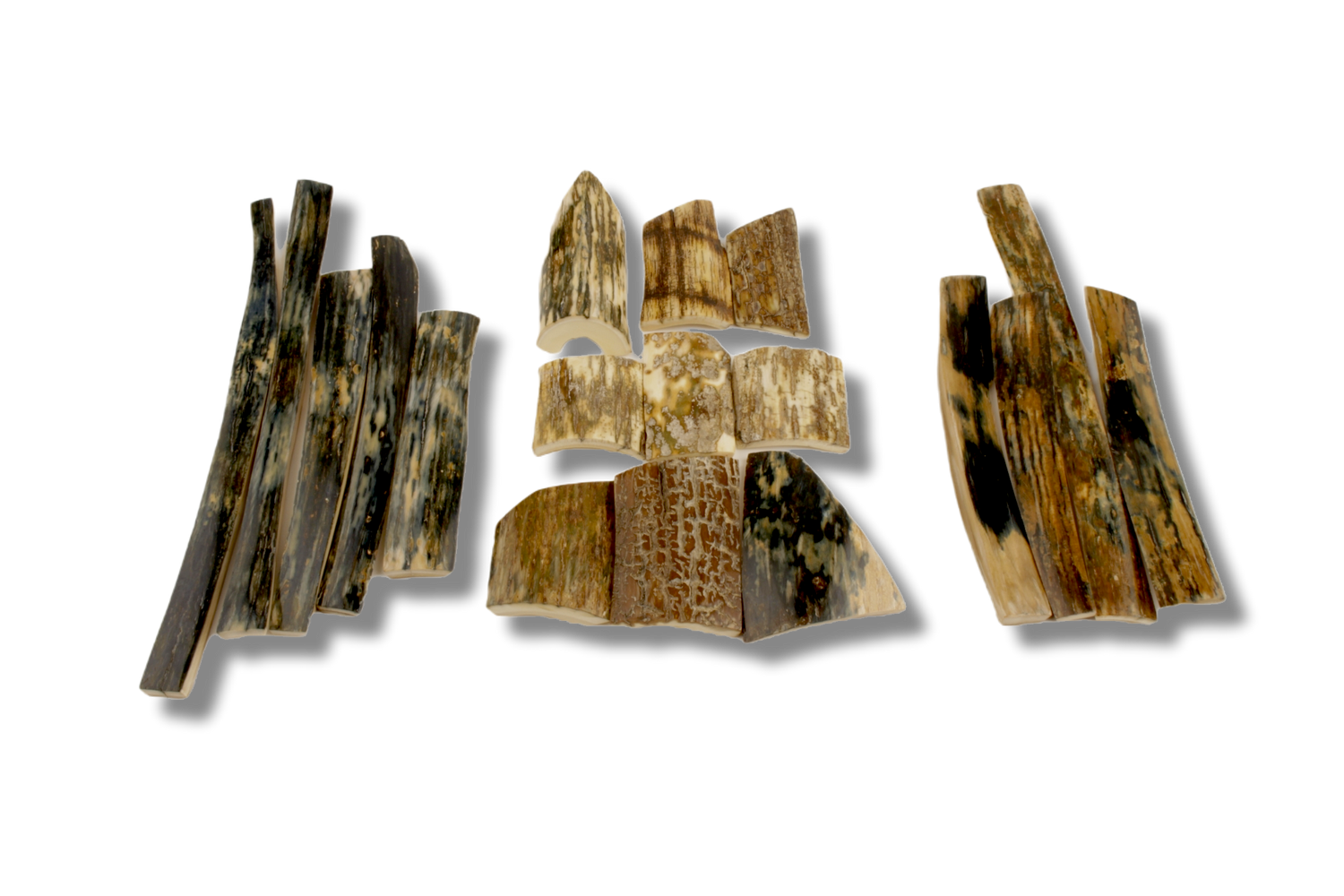
Mammoth ivory comes from the tusks of woolly mammoths (Mammuthus primigenius), prehistoric relatives of the modern-day elephant that roamed the Earth during the Ice Age. These magnificent creatures eventually went extinct around 4,000 years ago, leaving behind a legacy in form of their massive tusks, pieces and teeth buried deep within the permafrost of Siberia.
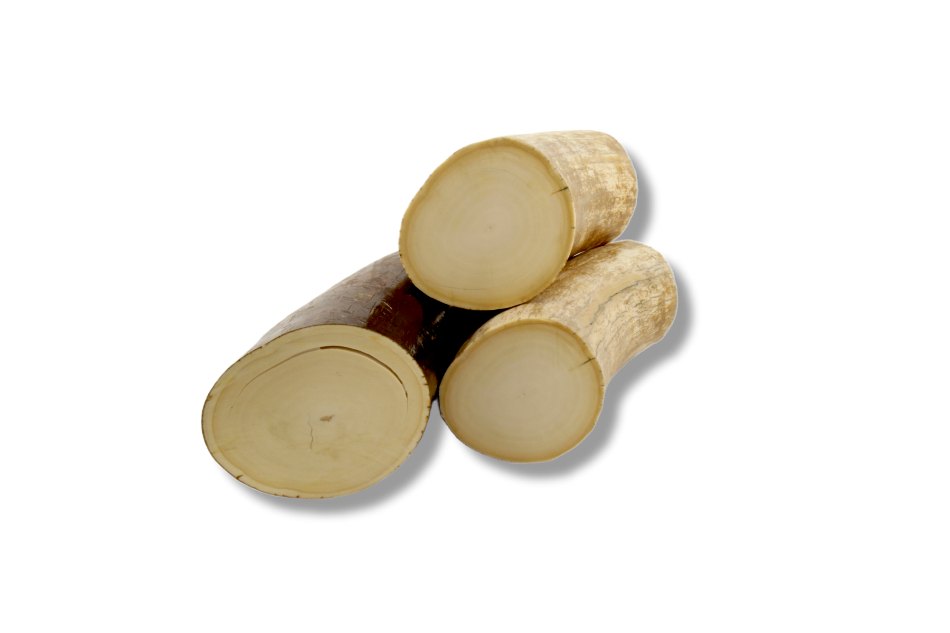
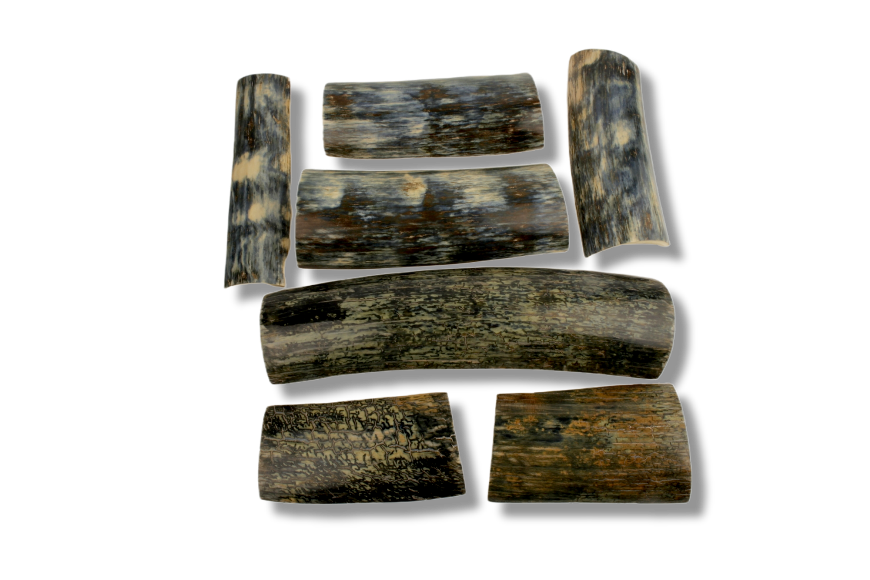
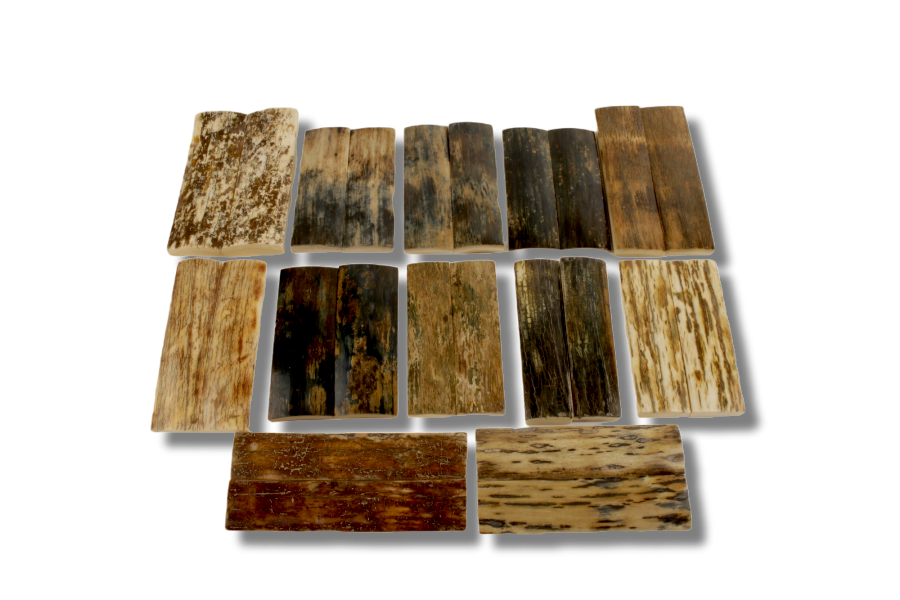
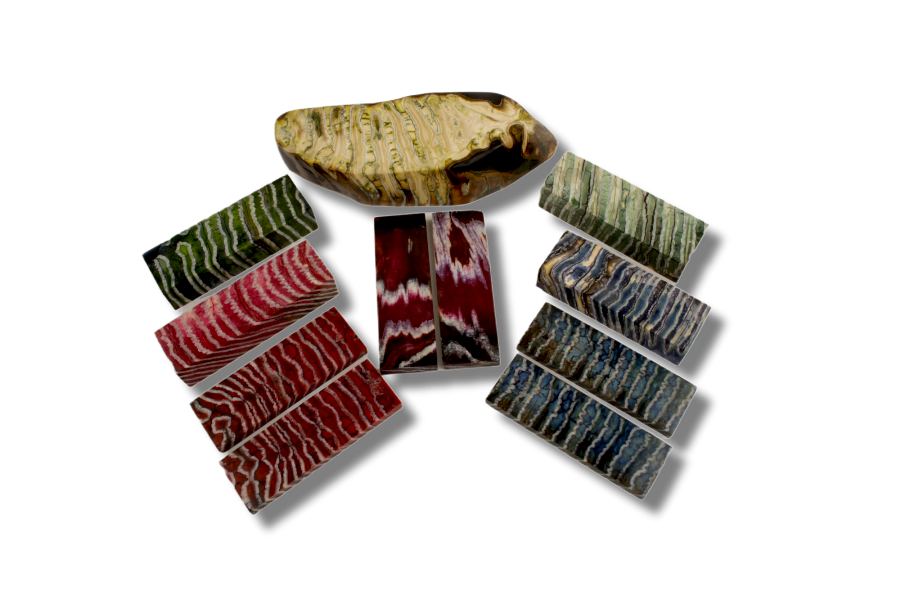
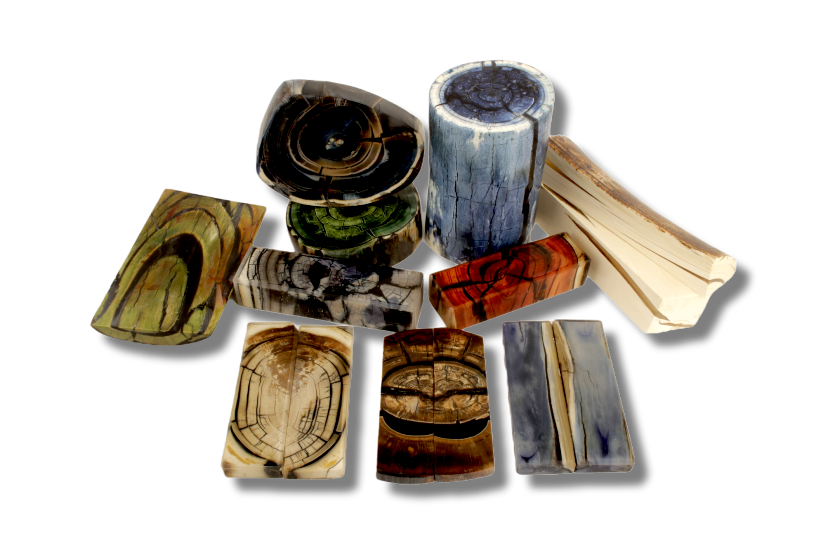
Over thousands of years, mammoth ivory underwent a natural fossilization process, gradually transforming into a unique material with exquisite grain patterns and soft, creamy colours. This process imbued mammoth ivory with a distinct allure that sets it apart from other materials commonly used in jewellery.
The Art of Transformation
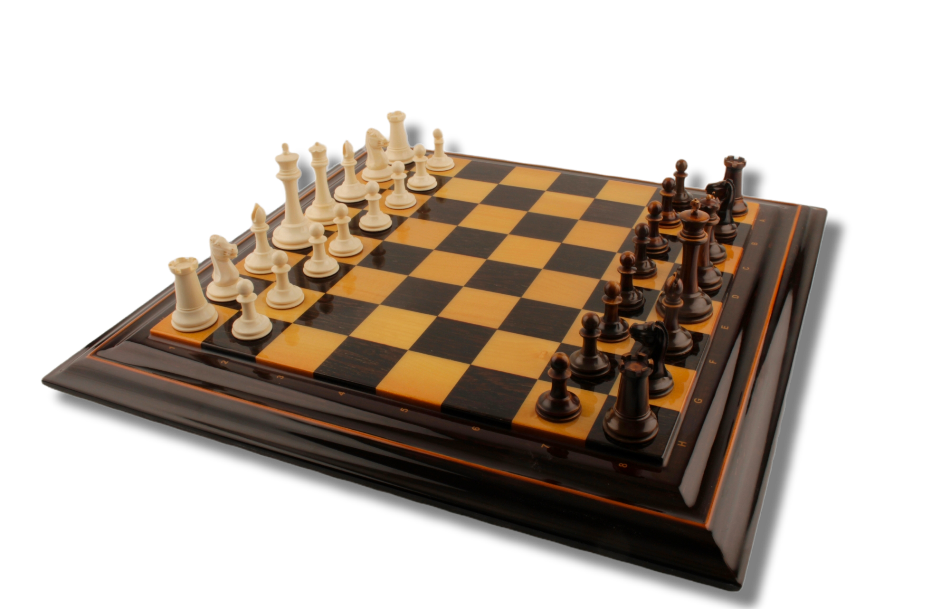
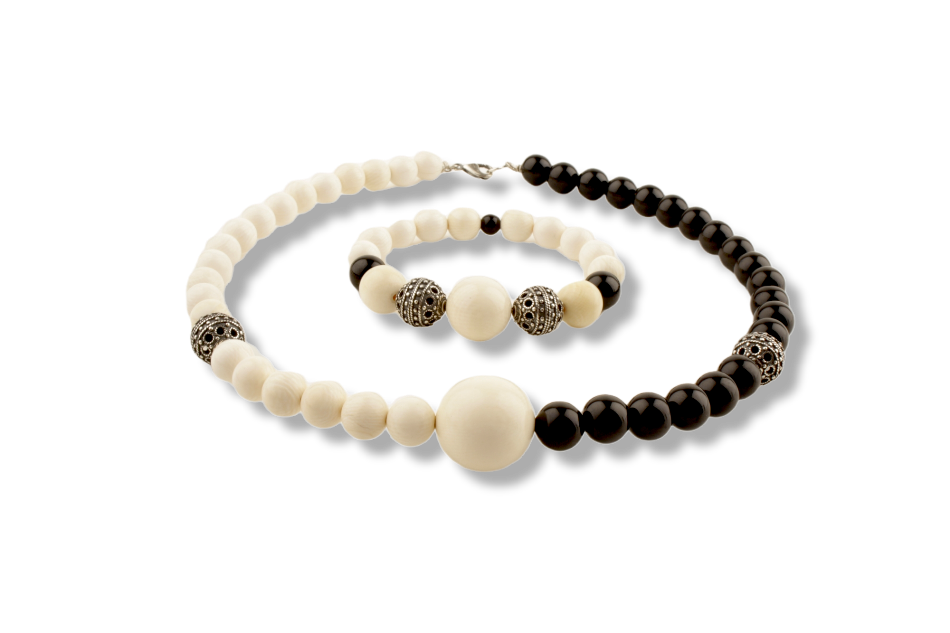
Crafting mammoth ivory into exquisite jewellery pieces is a true art form. Due to its fossilized nature, mammoth ivory possesses unique challenges and characteristics for artisans to navigate. Its intricate grain patterns and sometimes fragile nature require skilled hands and a deep understanding of the material. Jewellers often carve, sculpt, and shape mammoth ivory into beads, pendants, earrings, and other ornamental forms, each echoing a bygone era's history. The creamy tones of mammoth ivory lend themselves well to various designs, from intricate filigree patterns to minimalist modern aesthetics.
The Allure for Collectors
Mammoth ivory jewellery isn't just a fashion statement; it's a tangible connection to the Earth's natural past. For collectors and enthusiasts, each piece of mammoth ivory jewellery encapsulates the mystique of ancient times, carrying the energy and majesty of a bygone world. The unique grain patterns, a testament to the tusk's journey through time, make every piece one-of-a-kind, enhancing its allure.
Caring for Mammoth Ivory Jewellery
Proper care is essential to ensure the longevity of mammoth ivory jewellery. This material is sensitive to extreme temperatures and moisture, which can cause it to crack or become discoloured. To maintain its beauty, store mammoth ivory jewellery in a dry, cool environment and avoid exposure to direct sunlight. Regular cleaning with a soft, damp cloth is recommended to remove dust and debris. Avoid using harsh chemicals or abrasive materials that can damage the delicate surface of the ivory.
For detailed care advice, see our guide to caring for mammoth ivory jewellery.
Ethical Considerations
One key factor contributing to the growing popularity of mammoth ivory in jewellery is its ethical sourcing. Unlike elephant ivory, which involves the tragic loss of currently living animals due to illegal poaching, mammoth ivory is harvested from already extinct mammoths. This sustainable source minimises environmental impact and helps preserve modern elephant populations. Moreover, the extraction of mammoth ivory often supports local communities in regions where these ancient creatures once roamed. It provides economic opportunities through responsible excavation, ensuring that the legacy of these majestic creatures continues to benefit the world.
Made in Germany
Our own handcrafted jewellery is designed and made in Germany, pairing fossil mammoth ivory with fine metals in pieces intended to be worn and kept. Each one makes use of the natural character of its ivory rather than hiding it — so each finished piece is genuinely one of a kind.
Conclusion
Mammoth ivory jewellery transcends the realm of ornamentation. It serves as a bridge between eras, a celebration of natural history, and a symbol of responsible luxury. With its ethical origins, distinctive beauty, and unparalleled aura, mammoth ivory captivates jewellery aficionados and those seeking a unique connection to the past. Embracing mammoth ivory in jewellery isn't just about adorning oneself with beauty; it's about embracing the legacy of an ancient world in a modern context.
If you have any further questions or require further explanations, please email us: info@arcticantiques.com
Bibliography
- Wang, X., et al. (2021). "Vivianite and Its Oxidation Products in Mammoth Ivory and Their Implications to the Burial Process." ACS Omega, 6(35). [Natural blue colouration]
- Dehasque, M., et al. (2024). "Temporal dynamics of woolly mammoth genome erosion prior to extinction." Cell, 187(14). [Extinction timeline]
- Pedersen, M. C. (2004). Gem and Ornamental Materials of Organic Origin. Amsterdam: Elsevier. [Ivory and organic gem materials in jewellery]
- CITES (2019). CoP18 Prop. 13 (rejected). [Mammoth ivory not CITES-listed; contrast with elephant ivory]